🍊

Fruit Face Masks

Fresh, natural face masks crafted from tropical fruits. Hydrate, soothe, and nourish your skin with the vitamins and enzymes found in Caribbean fruits.

⚠️Disclaimer: This content is for educational purposes only. It is not medical advice. Consult a healthcare professional for skin conditions or allergies.

Quick Answer

Fruit face masks use natural tropical fruits like papaya, mango, and banana to cleanse, hydrate, and brighten your skin. Apply 2-3 times per week for best results, leaving each mask on for 15-20 minutes before rinsing with lukewarm water.

Key Takeaways

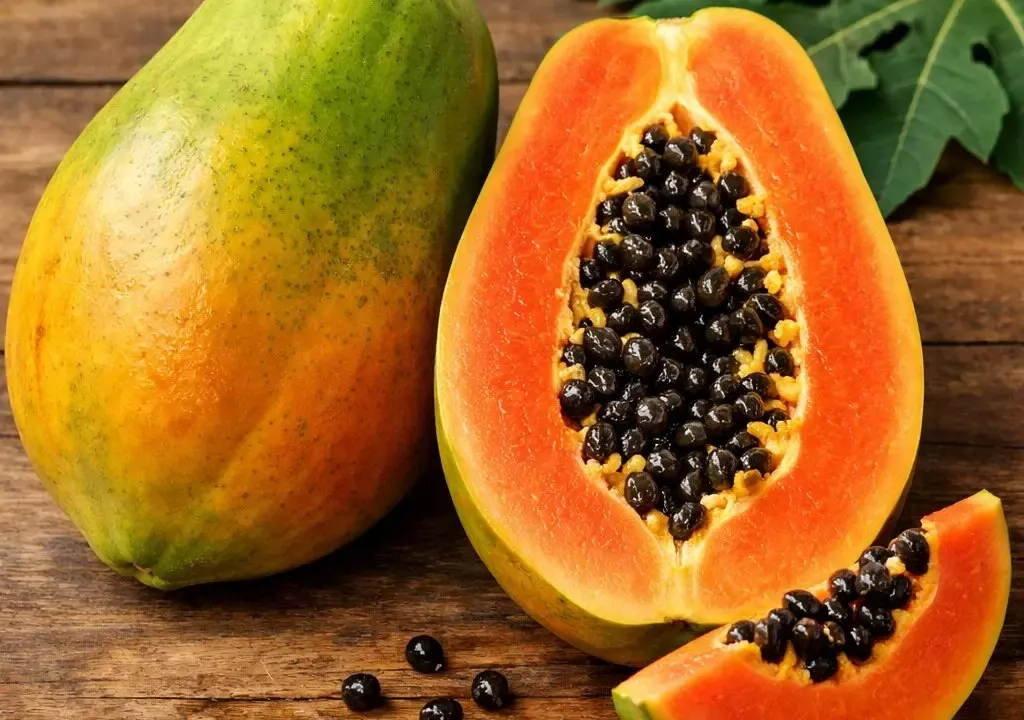
  • • Papaya contains papain enzyme that gently exfoliates dead skin cells and unclogs pores
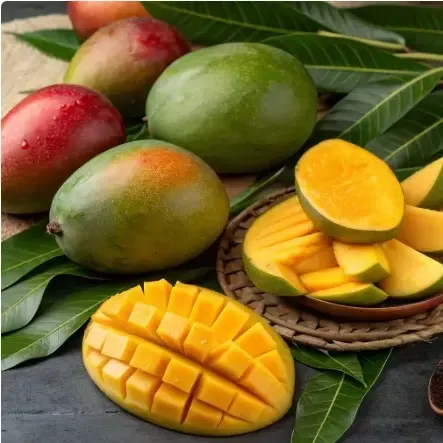
  • • Mango provides vitamin A and beta-carotene for skin cell renewal and hydration
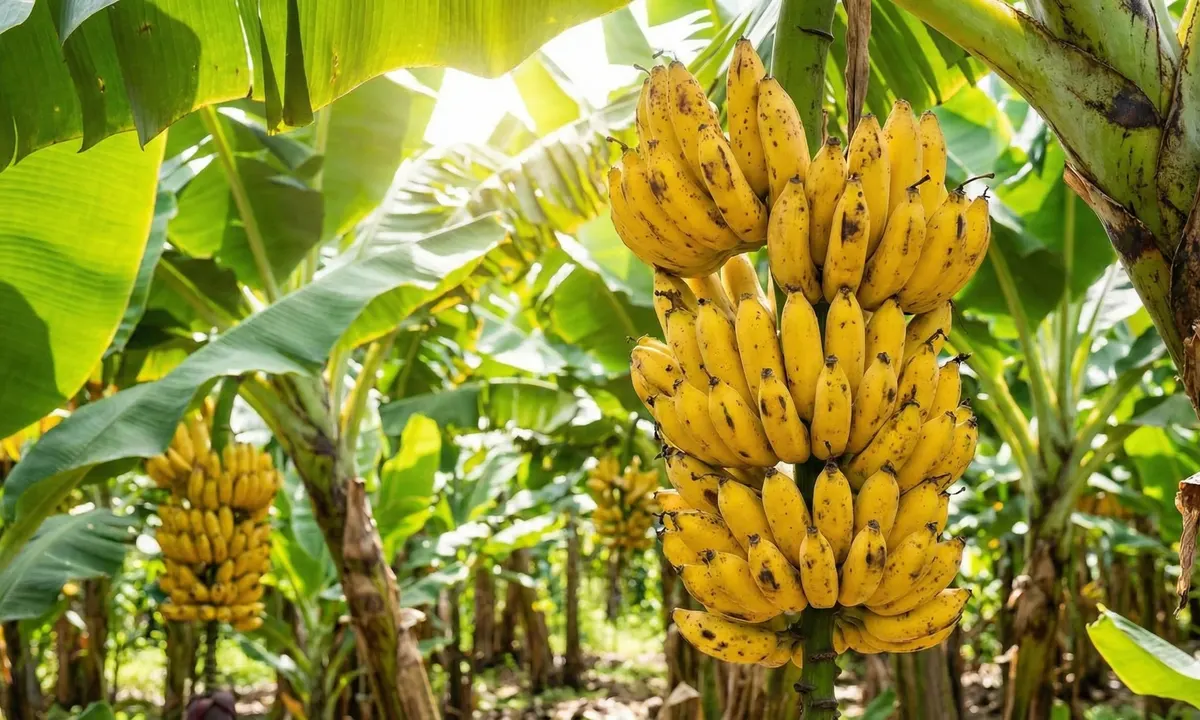
  • • Banana and avocado deliver deep moisture with natural fats and potassium
  • • Always patch-test new fruit masks on your inner wrist before full-face application
  • • Use ripe, organic fruits for maximum nutrient concentration and minimal pesticide exposure

Recipes & Treatments

Papaya Glow Mask🍉
'"/>

Papaya Glow Mask

Mashed ripe papaya with honey and a squeeze of lime for bright, glowing skin. Papain enzyme gently exfoliates while vitamin C brightens.

PapayaLime
BrighteningExfoliating
Mango Hydration Mask🍉
'"/>

Mango Hydration Mask

Blended mango pulp with yogurt and turmeric for deep hydration and a golden glow. Rich in vitamin A for cell renewal.

Mango
HydratingVitamin A
Banana Moisture Bomb🍉
'"/>

Banana Moisture Bomb

Mashed banana with coconut cream and oatmeal for intensely moisturized, soft skin. Perfect for dry or mature skin types.

BananaCoconut
MoisturizingGentle
Avocado Cream Mask🍉
'"/>

Avocado Cream Mask

Mashed avocado with honey and aloe vera gel for a deeply nourishing, anti-inflammatory treatment. Rich in healthy fats.

Avocado
NourishingAnti-inflammatory
Guava Vitamin C Boost🍉
'"/>

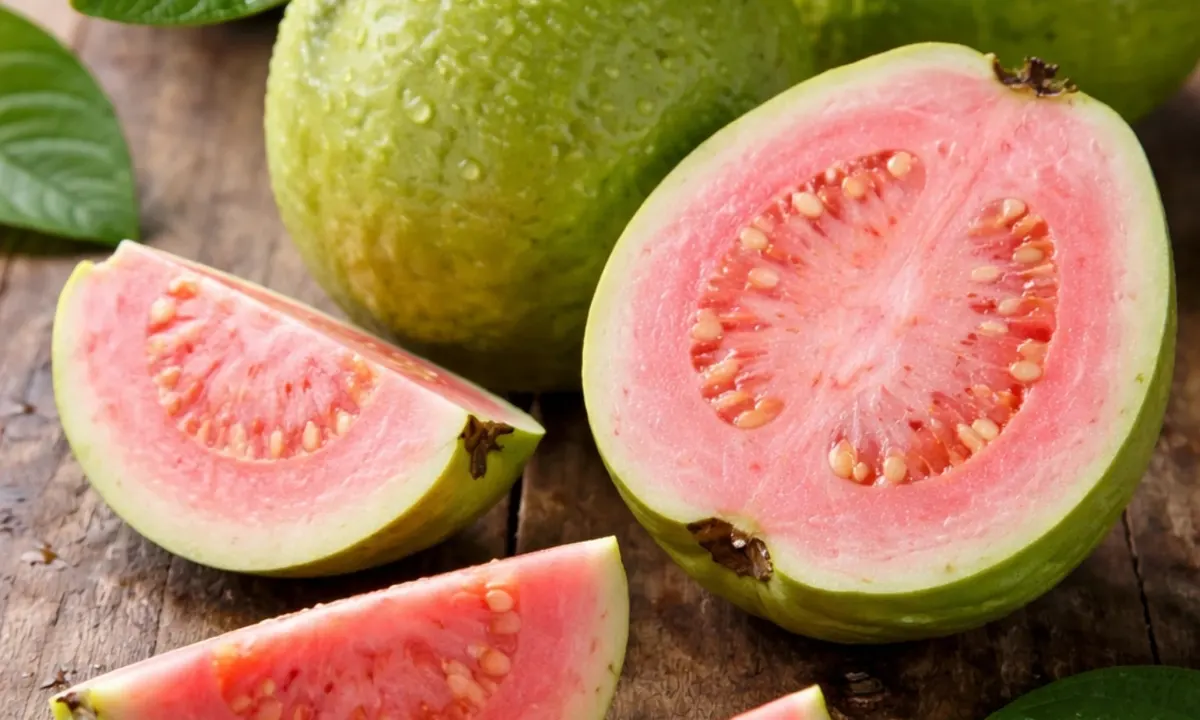
Guava Vitamin C Boost

Mashed guava with rose water and vitamin E oil. Guava contains 4x more vitamin C than oranges for powerful brightening.

Guava
Vitamin CAntioxidant
Coconut Soothing Mask🍉
'"/>

Coconut Soothing Mask

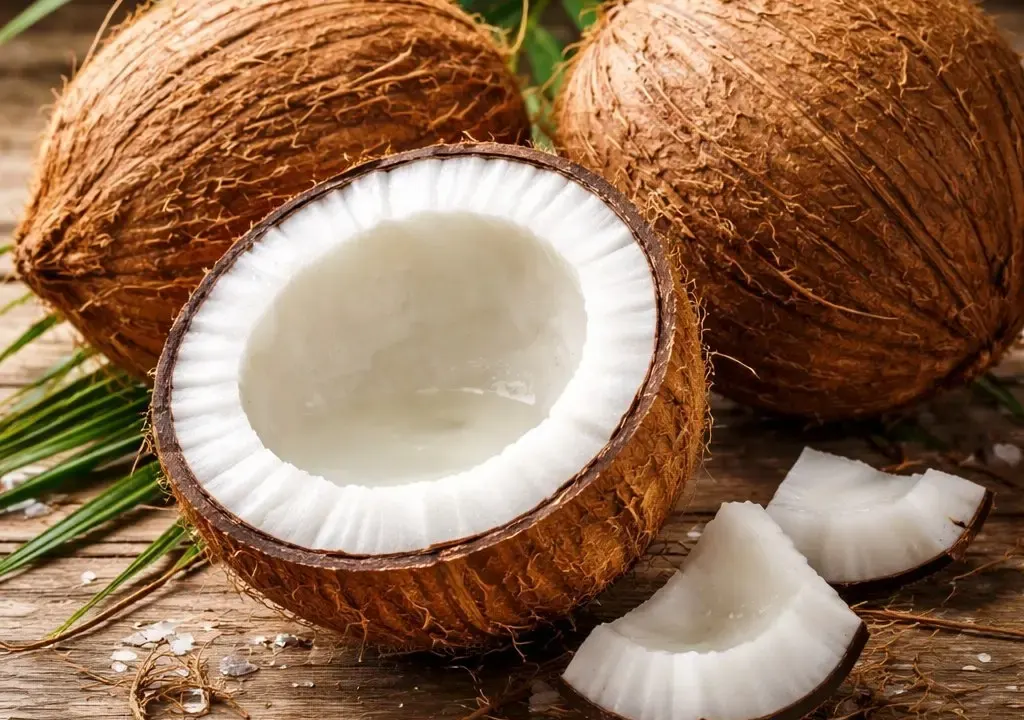
Coconut cream mixed with cucumber juice and chamomile tea for calming, cooling relief for irritated or sunburned skin.

Coconut
SoothingCooling

About Fruit Face Masks

Tropical fruits are packed with vitamins, enzymes, and antioxidants that make exceptional face mask ingredients. Papaya contains papain, a natural enzyme that gently exfoliates dead skin cells. Mango is rich in vitamin A and beta-carotene, which support skin cell renewal. Banana provides deep hydration with its natural moisture-locking properties. Avocado delivers healthy fats and vitamin E for intense nourishment. These fruit face masks are simple to prepare at home using fresh, ripe fruits. Always use organic fruits when possible and patch-test before applying to your full face.

Quick Tip

Apply face masks to clean, slightly damp skin for better absorption. Leave on for 15-20 minutes, then rinse with lukewarm water.

Related Fruits for Beauty & Skin

PapayaPapayaMangoMangoBananaBananaCoconutCoconutGuavaGuava

More from Beauty & Skin

🌟

Skin Brightening

Radiant glow recipes

🫐

Anti-Aging Blends

Youthful skin support

💆

Hair Growth

Natural hair treatments

💧

Dry Skin Remedies

Deep moisture treatments

🧴

Acne Support

Clearer skin recipes

🌺

Tropical Beauty Secrets

Island beauty rituals

Frequently Asked Questions

How often should I use fruit face masks?

For most skin types, applying fruit face masks 2-3 times per week is ideal. Sensitive skin may benefit from once-weekly application. Always observe how your skin responds and adjust frequency accordingly. Overuse of acidic fruits like lemon or pineapple can disrupt your skin barrier.

Which fruits are best for glowing skin?

Papaya, mango, guava, and banana are among the best tropical fruits for glowing skin. Papaya contains papain for gentle exfoliation, mango provides vitamin A for cell turnover, guava has 4x more vitamin C than oranges for brightening, and banana offers deep hydration for a dewy finish.

Can I leave fruit face masks on overnight?

Most fruit face masks should not be left on overnight. The natural acids and enzymes in fruits like papaya and pineapple can cause irritation with prolonged contact. Stick to 15-20 minutes, then rinse. For overnight treatments, consider gentler options like mashed banana mixed with honey.

Are fruit face masks safe for sensitive skin?

Fruit face masks can be safe for sensitive skin when you choose gentle fruits like banana, avocado, and coconut. Avoid highly acidic fruits like lemon, pineapple, and grapefruit. Always do a patch test on your inner wrist 24 hours before applying to your face, and dilute strong fruit juices with yogurt or honey.

Do fruit face masks help with dark spots?

Yes, certain fruit face masks can help fade dark spots over time. Papaya and guava are rich in vitamin C and papain, which naturally brighten hyperpigmentation. Consistent use 2-3 times per week for 6-8 weeks can show visible improvement. For stubborn dark spots, combine with a dermatologist-recommended treatment plan.

Quick Answer

Explore Jamaican fruits, tropical recipes, and trusted nutrition guides.

Search Intent Guide

IntentDirect answer
InformationalLearn what Fruit Face Masks is, how it is used, and why it matters in Caribbean food culture.
ComparisonUse the linked comparison guides to evaluate taste, nutrition, seasonality, and recipe fit.
NavigationalExplore fruit profiles, recipes, health guides, seasonal pages, and downloadable guides from IslandFruitGuide.
CommercialFuture-friendly areas are prepared for ebooks, affiliate product cards, premium calculators, and downloadable wellness tools.

People Also Ask

What is Fruit Face Masks?

Explore Jamaican fruits, tropical recipes, and trusted nutrition guides.

Who is this IslandFruitGuide page for?

This page is for readers researching Caribbean fruits, tropical recipes, nutrition, seasonal availability, and traditional island food culture.

Where should I go next?

Explore the fruit guides, recipe collection, nutrition comparison, seasonal calendar, and health goal explorer linked from this page.

IslandFruitGuide Topic Clusters

Sources and Editorial Review

Reviewed by: IslandFruitGuide Editorial Team

Last Updated: June 17, 2026

Traditional Caribbean usage: Cultural notes are presented as food heritage and traditional usage, not as medical treatment claims.

Nutritional references: Nutrient summaries are cross-checked against public food composition and nutrition education references where available.

Continue Learning