🧴

Acne Support Recipes

Gentle, antibacterial fruit recipes that help calm breakouts, reduce inflammation, and support clearer skin naturally using tropical fruit compounds.

⚠️Disclaimer: This content is for educational purposes only. It is not medical advice. Consult a healthcare professional for skin conditions or allergies.

Quick Answer

Fruit-based acne support treatments use the natural antibacterial and anti-inflammatory properties of papaya, guava, and citrus fruits to calm breakouts, reduce excess oil, and promote clearer skin without harsh chemical treatments.

Key Takeaways

  • • Papaya contains papain and carpain which have proven antibacterial effects against acne-causing bacteria
  • • Guava leaves and fruit contain natural astringent compounds that reduce excess sebum production
  • • Citrus fruits provide salicylic acid-like effects that help unclog pores naturally
  • • Honey combined with fruit masks adds manuka-grade antibacterial protection for active breakouts
  • • Fruit treatments complement but should not replace dermatologist-prescribed acne medication for severe cases

Recipes & Treatments

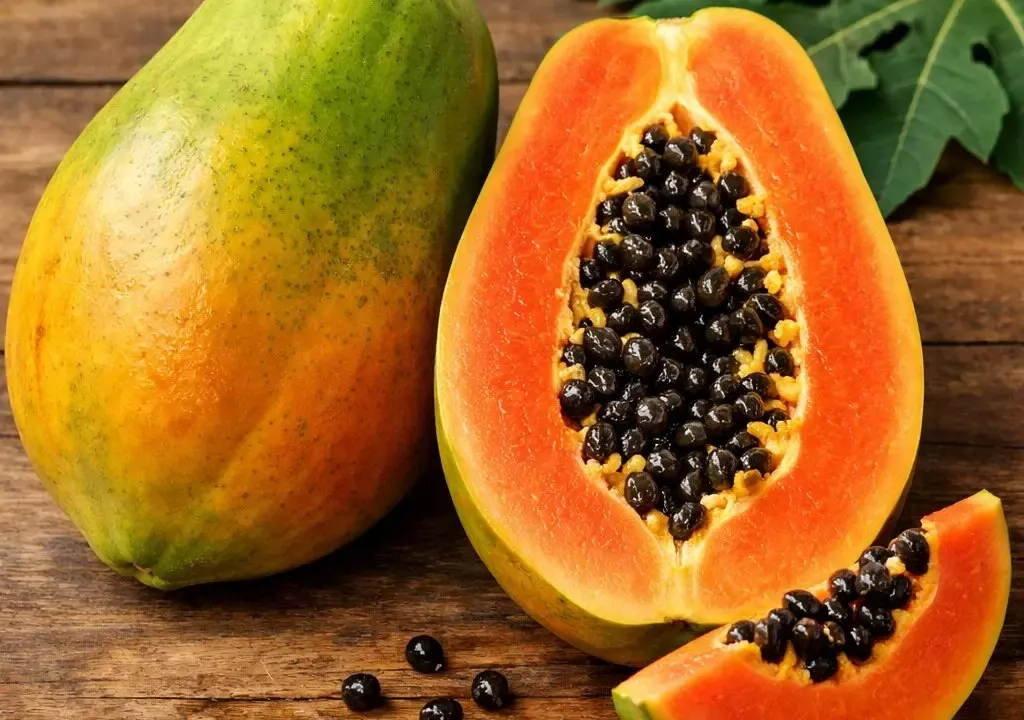
Papaya Antibacterial Mask🍉
'"/>

Papaya Antibacterial Mask

Green papaya paste with tea tree oil and bentonite clay. Papain enzyme clears pores while antibacterial compounds fight acne.
Papaya
AntibacterialPore-clearing
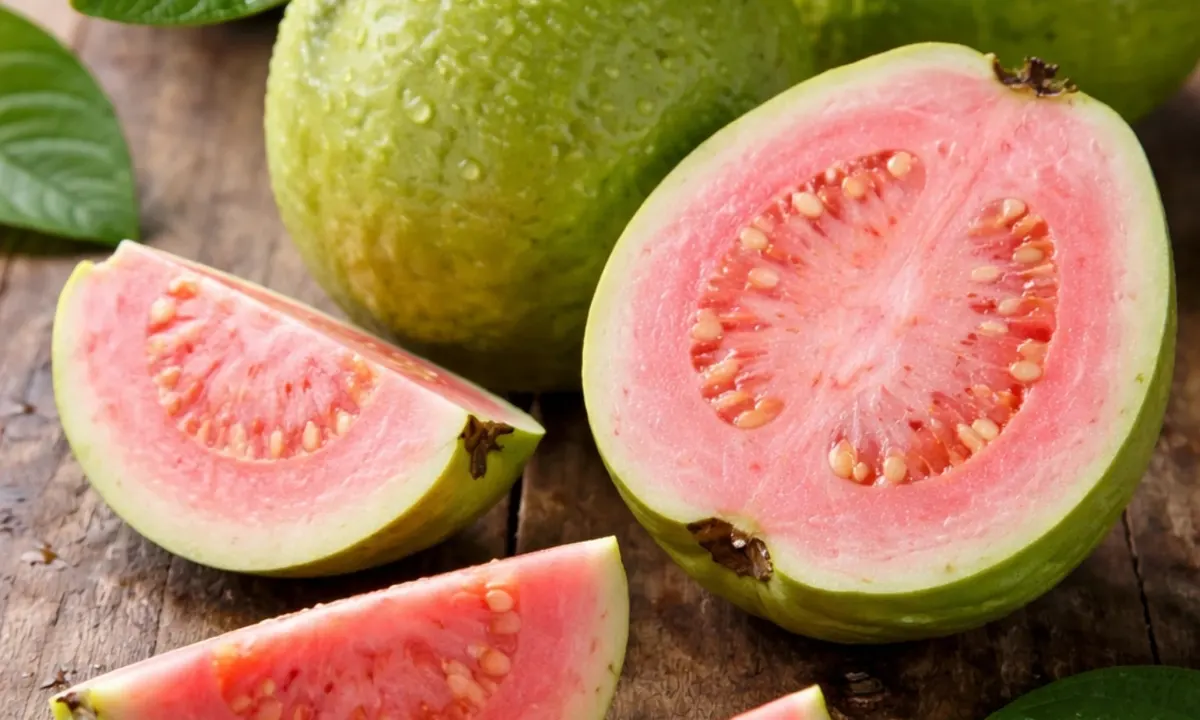
Guava Leaf Toner🍉
'"/>

Guava Leaf Toner

Brewed guava leaf tea cooled and mixed with witch hazel. A natural astringent toner that reduces excess oil production.

Guava
TonerOil Control
Lime Spot Treatment🍉
'"/>

Lime Spot Treatment

Fresh lime juice diluted with water, applied with a cotton swab to individual blemishes. Natural citric acid dries out spots.

Lime
Spot TreatmentCitric Acid
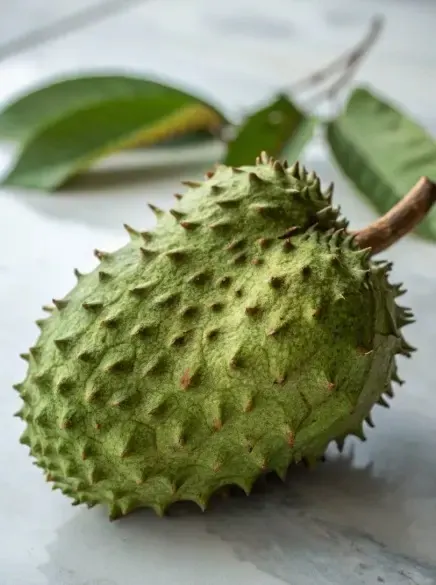
Soursop Calming Mask🍉
'"/>

Soursop Calming Mask

Soursop pulp with cucumber and aloe vera. Anti-inflammatory compounds calm red, irritated acne-prone skin.

Soursop
CalmingAnti-inflammatory
Pineapple BHA Treatment🍉
'"/>

Pineapple BHA Treatment

Diluted pineapple juice with honey. Natural bromelain and mild AHAs gently exfoliate to prevent clogged pores.

Pineapple
BHAExfoliating
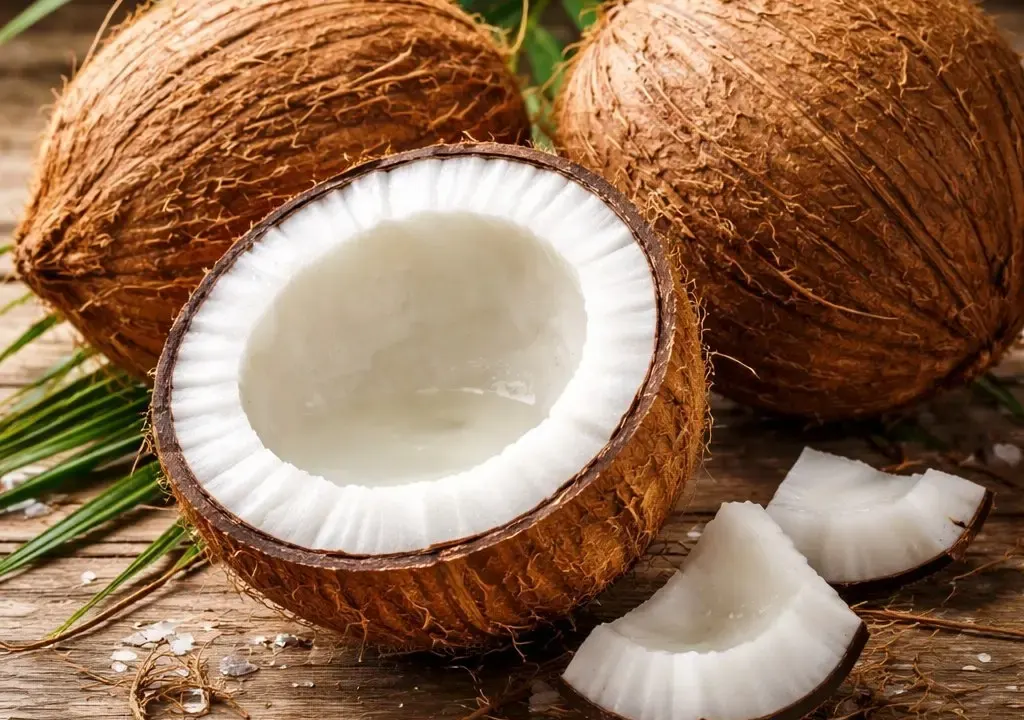
Coconut-Aloe Healing Gel🍉
'"/>

Coconut-Aloe Healing Gel

Coconut oil mixed with aloe vera gel and lavender. Supports healing of post-acne marks and scars.

Coconut
HealingScar Support

About Acne Support Recipes

Several tropical fruits contain natural antibacterial and anti-inflammatory compounds that can support acne-prone skin. Papaya contains papain and carpain, which have antibacterial properties against acne-causing bacteria. Guava leaves contain flavonoids and tannins with proven antimicrobial activity. Citrus fruits provide salicylic acid precursors and vitamin C for healing. These recipes are designed as supportive treatments alongside, not replacements for, dermatologist-recommended acne care. Always patch-test first and discontinue if irritation occurs.

Quick Tip

Never apply fruit treatments to broken or open acne lesions. Wait until skin has healed, then use these recipes to prevent future breakouts.

Related Fruits for Beauty & Skin

PapayaPapayaGuavaGuavaSoursopSoursopCoconutCoconut

More from Beauty & Skin

🍊

Fruit Face Masks

Natural fruit face masks

🌟

Skin Brightening

Radiant glow recipes

🫐

Anti-Aging Blends

Youthful skin support

💆

Hair Growth

Natural hair treatments

💧

Dry Skin Remedies

Deep moisture treatments

🌺

Tropical Beauty Secrets

Island beauty rituals

Frequently Asked Questions

Which fruits help clear acne?

Papaya is the most effective tropical fruit for acne due to its papain enzyme that exfoliates dead skin cells and its antibacterial compounds that fight acne-causing bacteria. Guava reduces excess oil with natural astringents. Citrus fruits like lime and lemon provide mild chemical exfoliation. Pineapple contains bromelain which reduces inflammation around active breakouts.

Can fruit masks make acne worse?

Some fruit masks can irritate acne if they contain highly acidic or comedogenic ingredients. Avoid mixing heavy oils like coconut oil with fruit masks if you have oily, acne-prone skin. Stick to non-comedogenic bases like aloe vera gel, honey, or yogurt. Always patch-test new combinations and discontinue any mask that causes increased redness or burning.

How often should I use fruit acne treatments?

Use gentle fruit acne treatments like papaya or guava masks 2-3 times per week. More potent treatments with citrus or pineapple should be limited to once per week to avoid over-exfoliating and damaging the skin barrier. Monitor your skin response and reduce frequency if you notice increased dryness, redness, or sensitivity.

Do fruit treatments help with acne scars?

Fruit treatments can help fade acne scars over time. Papaya and guava are rich in vitamin C which supports collagen synthesis and skin repair. Pineapple contains bromelain which can help break down scar tissue. Consistent use over 8-12 weeks combined with sun protection can visibly improve post-inflammatory hyperpigmentation and shallow scarring.

Can I use fruit treatments alongside acne medication?

Gentle fruit treatments can usually complement acne medication, but always check with your dermatologist first. Avoid combining fruit masks with retinoids, benzoyl peroxide, or strong chemical peels as this may cause excessive irritation. Space applications at least 24 hours apart and prioritize soothing fruits like papaya and aloe vera over acidic ones.

Quick Answer

Explore Jamaican fruits, tropical recipes, and trusted nutrition guides.

Search Intent Guide

IntentDirect answer
InformationalLearn what Acne Support Recipes is, how it is used, and why it matters in Caribbean food culture.
ComparisonUse the linked comparison guides to evaluate taste, nutrition, seasonality, and recipe fit.
NavigationalExplore fruit profiles, recipes, health guides, seasonal pages, and downloadable guides from IslandFruitGuide.
CommercialFuture-friendly areas are prepared for ebooks, affiliate product cards, premium calculators, and downloadable wellness tools.

People Also Ask

What is Acne Support Recipes?

Explore Jamaican fruits, tropical recipes, and trusted nutrition guides.

Who is this IslandFruitGuide page for?

This page is for readers researching Caribbean fruits, tropical recipes, nutrition, seasonal availability, and traditional island food culture.

Where should I go next?

Explore the fruit guides, recipe collection, nutrition comparison, seasonal calendar, and health goal explorer linked from this page.

IslandFruitGuide Topic Clusters

Sources and Editorial Review

Reviewed by: IslandFruitGuide Editorial Team

Last Updated: June 17, 2026

Traditional Caribbean usage: Cultural notes are presented as food heritage and traditional usage, not as medical treatment claims.

Nutritional references: Nutrient summaries are cross-checked against public food composition and nutrition education references where available.

Continue Learning